Why Do Cats Purr?
Last reviewed October 2026 · Based on 2 published veterinary sources (listed below)
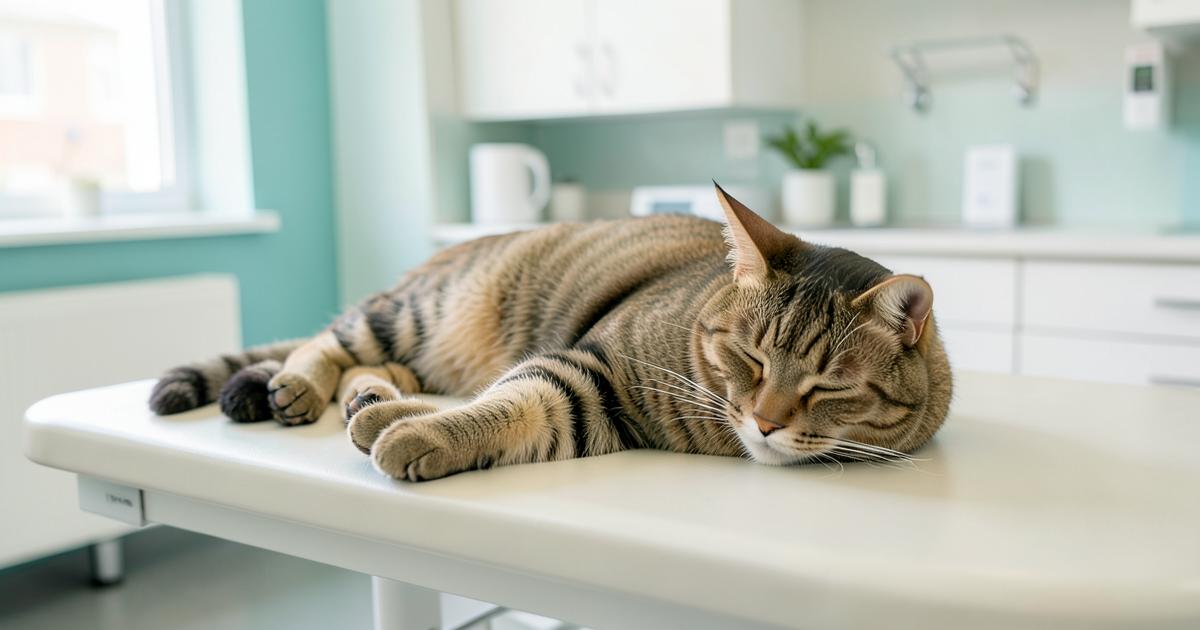
Purring is produced by rapid twitching of the muscles in a cat's voice box as they breathe in and out. Cats most often purr when relaxed and content, but they also purr when hungry, stressed, injured, giving birth or unwell — so purring isn't always a sign of happiness.
Common reasons
- Contentment — lying with you, being petted
- Asking for something, like food (a 'solicitation purr' with a higher, more urgent tone)
- Self-soothing when stressed, at the vet, or in pain
- Mother-kitten communication — kittens purr from a few days old
Does purring help healing?
Purr frequencies fall roughly between 25 and 150 Hz. Some researchers have suggested these frequencies may support bone and tissue healing, but this hasn't been proven in cats.
When to pay attention
A cat that purrs while hiding, not eating, or breathing hard may be in pain. Context matters more than the purr itself.
This guide is general information, not a diagnosis. If you're worried about your pet, call your vet or an emergency clinic.