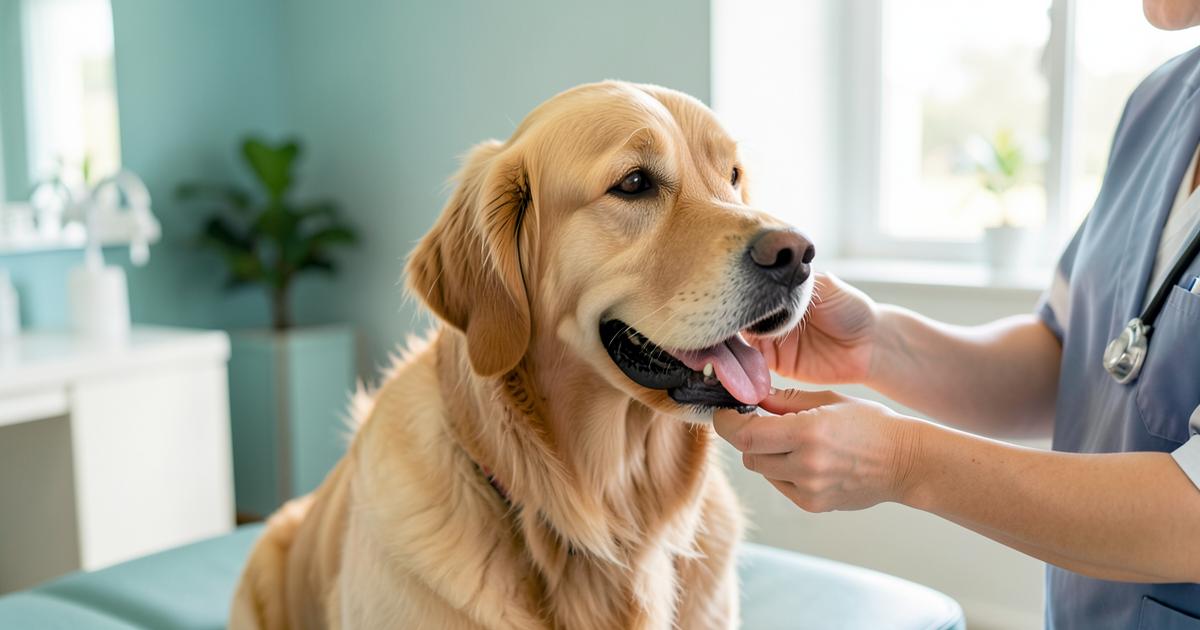
Why Is My Dog Limping? Causes, Home Care and When to See a Vet
Discover common reasons why your dog might be limping, from minor injuries to serious conditions. Learn appropriate home care strategies and crucial signs that indicate it's time for a veterinary visit to ensure your dog's comfort and health.
In this article
It can be distressing to see your beloved dog limping. A limp, or lameness, indicates pain or discomfort in one or more limbs and can range from a subtle shift in weight to an inability to bear weight on a leg. While some limps might resolve with rest, others signal a more serious underlying issue that requires immediate veterinary attention. Understanding the potential causes and knowing when to intervene can help you provide the best care for your furry friend.
Common Causes of Limping in Dogs
Limping can stem from a variety of causes, affecting bones, joints, muscles, ligaments, tendons, or even the paws.
Acute Injuries and Trauma
Many limps are the result of sudden injuries or trauma, often from everyday activities.
- Paw Pad Injuries: Cuts, punctures from glass or thorns, burns from hot surfaces, splinters, or torn nails can cause significant pain and limping. Inspecting your dog's paws is often the first step.
- Sprains and Strains: Overstretching or tearing of ligaments (sprains) or muscles/tendons (strains) can occur during play, falls, or strenuous exercise. These can cause sudden lameness, often accompanied by swelling or tenderness.
- Fractures and Dislocations: More severe trauma, such as being hit by a car or falling from a height, can lead to broken bones (fractures) or joints coming out of alignment (dislocations). These are often extremely painful and cause immediate, severe lameness.
- Insect Bites or Stings: A bite or sting on a paw or leg can cause swelling and pain, leading to a temporary limp.
Chronic Conditions
Some causes of limping develop over time and can be chronic, often worsening with age or activity.
- Arthritis (Osteoarthritis): This degenerative joint disease is very common in older dogs, large breeds, and those with previous joint injuries. It causes chronic pain, stiffness, and reduced mobility, often more noticeable after rest or in cold weather.
- Hip and Elbow Dysplasia: These are genetic conditions where the hip or elbow joints don't develop properly, leading to instability, pain, and eventually arthritis. They can manifest in young dogs but often worsen with age.
- Luxating Patella: Common in smaller breeds, this occurs when the kneecap (patella) slips out of its normal groove. It can cause intermittent limping where the dog might skip or hold up a leg for a few steps.
- Cruciate Ligament Injuries: Similar to ACL injuries in humans, a tear or rupture of the cranial cruciate ligament in the knee is a common orthopedic injury in dogs, leading to sudden lameness, especially in active dogs.
- Bone Cancer (Osteosarcoma): Although less common, bone tumors can cause progressive lameness and pain, especially in large and giant breeds. This is a serious condition requiring prompt veterinary diagnosis.
Like this? Get a free pet-health digest weekly
One short email with the new articles, food picks, and breed-specific tips. Unsubscribe anytime.
One email a week. We never share your email.
Other Potential Causes
- Infections: Deep paw infections, abscesses, or infections within a joint can cause pain and limping.
- Neurological Issues: Problems with the spinal cord or nerves can sometimes mimic lameness, affecting coordination and limb function.
- Soft Tissue Lacerations: Deep cuts that aren't necessarily paw-related can cause pain and make a dog reluctant to use a limb.
Initial Home Care for a Limping Dog
If your dog suddenly starts limping, your first steps should be to assess the situation calmly and provide basic care. This information is general and not a substitute for professional veterinary advice.
- Rest: Rest is paramount. Prevent your dog from running, jumping, or engaging in strenuous activities. Leash walks for potty breaks only are advisable. Confine them to a smaller, safe area if necessary.
- Gentle Examination: Carefully and gently examine the affected limb if your dog allows. Start at the paw and work your way up the leg, looking for:
- Cuts, thorns, or foreign objects between the paw pads or in the nails.
- Swelling, redness, or warmth.
- Obvious deformities.
- Pain on gentle palpation.
- Be cautious: a dog in pain may bite, even if normally docile. If your dog shows aggression or extreme pain, stop immediately.
- Cold Compress (for acute injuries): For acute swelling or a fresh injury, a cold compress (ice pack wrapped in a cloth) can be applied for 10-15 minutes, 2-3 times a day for the first 24-48 hours.
- Monitor: Observe your dog's general demeanor, appetite, and how the limping progresses. Note if it worsens or improves with rest.
- Do NOT Administer Human Pain Medication: Never give your dog over-the-counter human pain relievers like ibuprofen, naproxen, or acetaminophen. These can be highly toxic and cause severe side effects in dogs.
When to Call Your Vet
While some minor limps may improve with a day or two of rest, it's crucial to know when to seek professional veterinary attention. Always remember that this is general information and not a diagnosis. Contact your vet if:
- The limping is sudden and severe: Your dog cannot bear any weight on the leg or is crying out in pain.
- There's an obvious injury: You notice a visible wound, swelling, deformity, or a bone appears out of place.
- The limping persists: The limp doesn't improve within 24-48 hours of rest, or it worsens.
- Your dog shows other symptoms: This includes lethargy, loss of appetite, fever, vomiting, or increased panting.
- You suspect a bite or sting: Especially if there's significant swelling or signs of an allergic reaction.
- Your dog is a puppy: Puppies' bones are still developing, and even minor limps can indicate more serious growth plate injuries.
- Your dog is in chronic pain: If your older dog's arthritis seems to be getting worse, or their quality of life is declining due to mobility issues.
Your veterinarian will perform a thorough physical examination, which may include palpating the limbs, assessing range of motion, and observing your dog's gait. They may recommend diagnostic tests such as X-rays to check for fractures, arthritis, or other bone abnormalities. In some cases, blood tests, ultrasound, MRI, or joint fluid analysis might be necessary to reach an accurate diagnosis and develop an appropriate treatment plan. Early diagnosis and intervention can prevent further complications and improve your dog's long-term comfort and mobility.