Senior Dog Care: Adapting Diet, Exercise & Vet Visits
As dogs age, their needs change. This guide covers how to adjust your senior dog's diet, exercise routine, and veterinary care to support their health and quality of life.
In this article
As our beloved canine companions enter their golden years, their needs evolve significantly. What once worked perfectly for a spry young pup may no longer be suitable for a senior dog. Recognizing these changes and proactively adapting their diet, exercise, and veterinary care is crucial for maintaining their health, comfort, and quality of life. This guide will help you understand these transitions and provide practical advice to support your senior dog through their later life stages. Remember, every dog ages differently, so careful observation and consultation with your veterinarian are key.
Defining 'Senior' in Dogs
The exact age at which a dog is considered 'senior' varies widely depending on their breed and size. Generally:
- Small breeds (under 20 lbs): May not show senior signs until 10-12 years of age.
- Medium breeds (20-50 lbs): Often considered senior around 8-10 years.
- Large and giant breeds (over 50 lbs): Can be considered senior as early as 5-7 years.
Regardless of age, signs like reduced energy, graying muzzle, changes in vision or hearing, and stiffness are indicators that your dog is entering their senior years and may require adjusted care.
Adapting Your Senior Dog's Diet
Nutrition plays a pivotal role in managing the health of aging dogs. Their metabolism slows down, activity levels often decrease, and specific health conditions may emerge.
Calorie Needs and Weight Management
Many senior dogs become less active, which means their caloric requirements decrease. Feeding them the same amount of food as when they were younger can lead to weight gain, exacerbating conditions like arthritis, heart disease, and diabetes. Conversely, some older dogs may experience weight loss due to dental issues, underlying illness, or decreased appetite. Regular body condition scoring is important.
- Guidance: Consult your veterinarian to determine the ideal weight for your senior dog and adjust their food intake accordingly. They can help you calculate appropriate calorie goals.
Senior-Specific Dog Food Formulas
Many commercial dog foods are formulated specifically for senior dogs. These often feature:
- Lower calorie content: To help prevent obesity.
- Increased fiber: To support digestive health and satiety.
- Specific protein levels: Generally, high-quality, easily digestible protein is beneficial to maintain muscle mass, but protein restriction may be necessary for dogs with certain kidney conditions.
- Added supplements: Often include glucosamine and chondroitin for joint health, omega-3 fatty acids (DHA/EPA) for joint, skin, and cognitive support, and antioxidants to combat cellular aging.
Addressing Specific Nutritional Needs
- Joint Health: Look for foods with added joint support or consider supplements as recommended by your vet.
- Cognitive Function: Omega-3 fatty acids and antioxidants may help support brain health and reduce signs of cognitive dysfunction syndrome (CDS).
- Dental Health: If your dog has dental issues, softer foods, moistened kibble, or specifically formulated dental diets might be necessary. Regular dental care remains paramount.
- Digestive Issues: Some senior dogs develop more sensitive stomachs. Probiotics or easily digestible diets might be recommended.
Hydration
Ensure your senior dog always has access to fresh, clean water. Older dogs can be more prone to dehydration, and adequate hydration is essential for kidney function and overall health.
Adjusting Exercise Routines
Exercise remains vital for senior dogs, but the type, duration, and intensity often need modification. The goal is to maintain muscle mass, joint flexibility, and mental stimulation without overexertion.
Low-Impact Activities
- Shorter, More Frequent Walks: Instead of one long walk, consider multiple shorter walks throughout the day. This reduces strain on joints and helps with bladder control.
- Swimming: A fantastic low-impact exercise that provides full-body conditioning without stressing joints. Ensure it's in a safe, warm environment.
- Gentle Play: Engage in short sessions of fetch with soft toys or gentle tug-of-war, watching for signs of fatigue.
Maintaining Mobility and Comfort
Like this? Get a free pet-health digest weekly
One short email with the new articles, food picks, and breed-specific tips. Unsubscribe anytime.
One email a week. We never share your email.
- Warm-up and Cool-down: Just like humans, senior dogs benefit from a brief warm-up before exercise and a cool-down period afterward.
- Soft Surfaces: Opt for walks on grass or dirt paths rather than hard concrete to reduce impact on joints.
- Avoid Extreme Temperatures: Senior dogs are more susceptible to heatstroke and hypothermia. Exercise during cooler parts of the day in summer and protect them from extreme cold in winter.
- Supportive Gear: Consider dog ramps for getting into cars or onto furniture, orthopedic beds for resting, and even joint braces or slings if recommended by your vet.
Mental Stimulation
Don't forget the importance of mental exercise. Puzzle toys, scent games, and learning new simple commands can keep their minds sharp and engaged.
Enhanced Veterinary Care
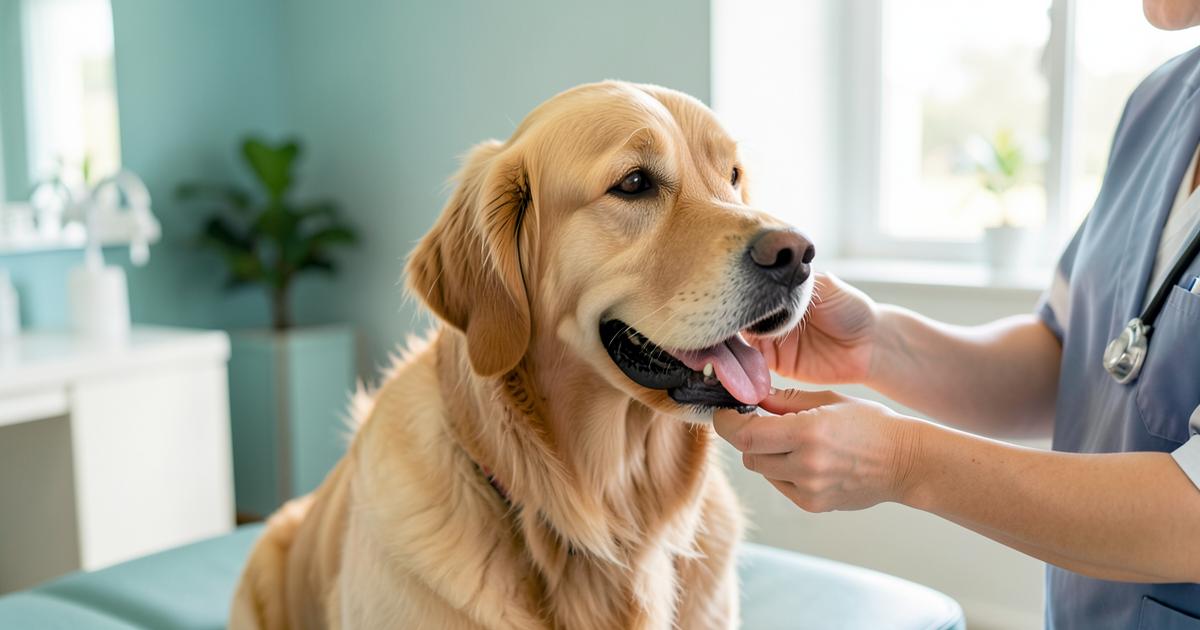
Regular veterinary check-ups become even more critical for senior dogs. Early detection and management of age-related conditions can significantly improve their quality of life and longevity.
More Frequent Check-ups
While adult dogs typically see the vet once a year, senior dogs often benefit from semi-annual (every 6 months) check-ups. This allows your veterinarian to:
- Monitor for subtle changes in health that might indicate underlying issues.
- Perform more frequent diagnostic tests.
- Address new symptoms promptly.
Comprehensive Senior Health Panels
During these visits, your vet may recommend a senior-specific health panel, which typically includes:
- Blood work: To assess organ function (kidneys, liver), blood sugar levels, and detect anemia or infection.
- Urinalysis: To evaluate kidney function, hydration status, and screen for urinary tract infections or diabetes.
- Thyroid testing: Hypothyroidism is common in older dogs.
- Blood pressure measurement: To screen for hypertension, which can affect kidneys, heart, and eyes.
Addressing Common Senior Ailments
Your vet will specifically look for and discuss common senior conditions such as:
- Osteoarthritis: Joint pain and stiffness are very common. Management may include anti-inflammatory medications, joint supplements, physical therapy, and weight management.
- Dental Disease: Regular dental cleanings and home care are essential to prevent pain, infection, and other systemic health problems.
- Cognitive Dysfunction Syndrome (CDS): Similar to Alzheimer's in humans, CDS can manifest as disorientation, altered interactions, sleep-wake cycle disturbances, and house-soiling. Medications, supplements, and environmental enrichment can help.
- Vision and Hearing Loss: While these are common, your vet can differentiate between age-related changes and treatable conditions like cataracts or glaucoma.
- Internal Organ Issues: Conditions like kidney disease, heart disease, and certain cancers become more prevalent with age. Early detection is key for management.
Pain Management
Many senior dogs experience chronic pain, often from osteoarthritis, which can significantly impact their well-being. Your veterinarian is the best resource for developing an effective pain management plan, which might include medications, supplements, acupuncture, or laser therapy.
Environmental Adjustments for Comfort
Beyond diet, exercise, and vet visits, small changes at home can make a big difference for your senior dog.
- Orthopedic Beds: Provide pressure relief for aching joints.
- Non-Slip Surfaces: Use rugs or runners on slippery floors to help prevent falls.
- Easy Access: Ramps or steps can help them get onto furniture or into cars safely.
- Nightlights: For dogs with diminishing vision, nightlights can help with navigation.
- Consistent Routines: Predictable schedules can reduce anxiety, especially for dogs with CDS.
Embracing your dog's senior years involves patience, observation, and a proactive approach to their changing needs. By adapting their diet, adjusting their exercise, prioritizing regular veterinary check-ups, and making their home environment more comfortable, you can help ensure your beloved companion enjoys a fulfilling and comfortable life as they age.
When to call your vet
This article provides general information and is not a substitute for professional veterinary advice. It is crucial to contact your veterinarian immediately if you observe any sudden or significant changes in your senior dog's health, behavior, or appetite. Specifically, reach out if your dog experiences unexplained weight loss or gain, persistent coughing or difficulty breathing, increased thirst or urination, changes in bowel movements, noticeable lumps or bumps, lameness or difficulty moving, disorientation, or any signs of pain or distress. Regular semi-annual check-ups are also highly recommended for all senior dogs to proactively monitor their health.