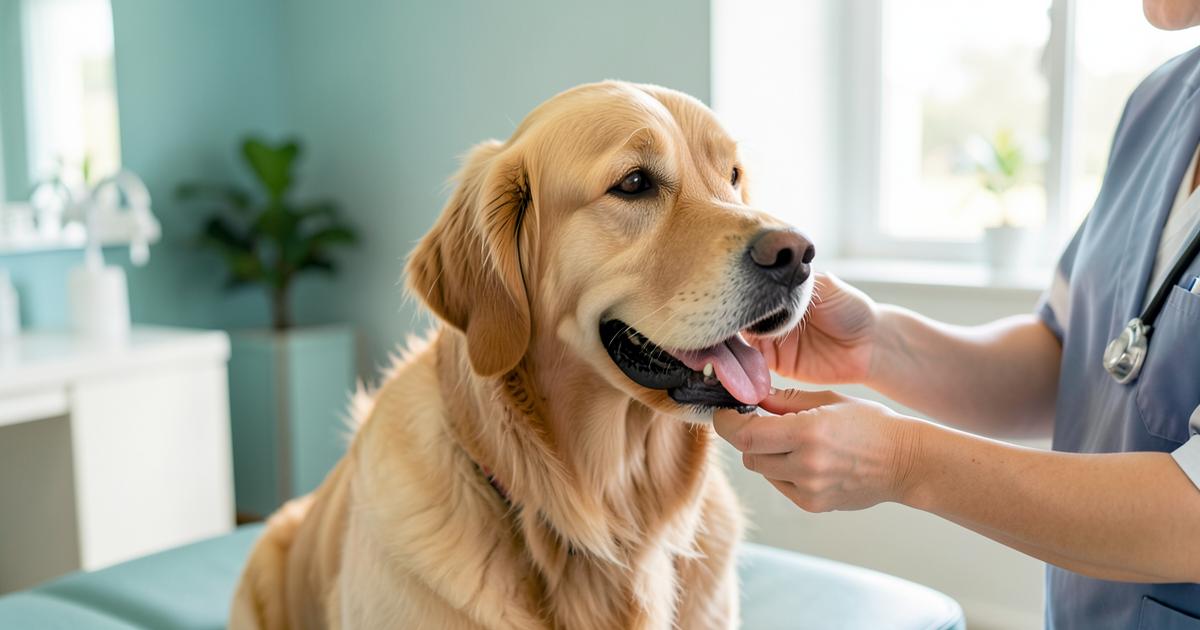
Puppy Vaccination Schedule: Every Shot Explained
Understanding your puppy's vaccination schedule is crucial for their long-term health. This guide breaks down essential puppy shots, what they protect against, and when they are typically given.
In this article
Introduction
Welcoming a new puppy into your home is an exciting time, filled with playful moments and endless cuddles. Alongside the joy, comes the responsibility of ensuring your furry friend grows up healthy and strong. One of the most critical steps in safeguarding your puppy's well-term health is adhering to a comprehensive vaccination schedule. Vaccinations play a vital role in protecting your puppy from a range of potentially life-threatening infectious diseases.
This article will guide you through the typical puppy vaccination schedule, explaining which shots are essential, what diseases they protect against, and why timing is so important. Remember, this information is for general guidance; always consult your veterinarian to create a personalized vaccination plan tailored to your puppy's specific needs and local disease prevalence.
Why Vaccinations Are Important
Vaccines work by introducing a weakened or inactivated form of a virus or bacteria into your puppy's system, stimulating their immune response without causing the actual disease. This allows their body to develop antibodies, providing immunity if they encounter the real pathogen in the future. For puppies, who have developing immune systems, this protection is especially critical.
Maternal Antibodies and Vaccination Timing
Newborn puppies receive antibodies from their mother's milk (colostrum), which provides temporary protection against common diseases. However, these maternal antibodies gradually wane, leaving the puppy vulnerable. The challenge for veterinarians is to administer vaccines at a time when maternal antibodies are low enough not to interfere with the vaccine's effectiveness, but before the puppy is completely unprotected. This is why a series of initial vaccinations, spaced a few weeks apart, is necessary to ensure robust immunity.
Core Puppy Vaccinations
Core vaccinations are those recommended for all puppies, regardless of their lifestyle or geographic location, due to the severe or fatal nature of the diseases they prevent.
1. Distemper, Adenovirus (Hepatitis), Parvovirus, and Parainfluenza (DA2PP or DHPP)
This combination vaccine, often referred to as DA2PP or DHPP, protects against four serious canine diseases:
- Canine Distemper: A severe, often fatal, viral disease that affects the respiratory, gastrointestinal, and nervous systems. Symptoms include fever, coughing, vomiting, diarrhea, seizures, and paralysis.
- Canine Adenovirus (Hepatitis): Canine Hepatitis is a highly contagious viral disease that can cause liver damage, fever, vomiting, and eye inflammation. The vaccine protects against Canine Adenovirus Type 1 (infectious canine hepatitis) and Type 2 (a cause of kennel cough).
- Canine Parvovirus (Parvo): An extremely contagious and often deadly viral disease, especially in puppies. It causes severe vomiting, bloody diarrhea, lethargy, and loss of appetite, leading to rapid dehydration and shock.
- Canine Parainfluenza Virus: A common respiratory virus that contributes to "kennel cough" (infectious tracheobronchitis). While not usually life-threatening, it can cause discomfort and lead to more severe secondary infections.
Typical Schedule:
- First dose: 6-8 weeks of age
- Second dose: 9-11 weeks of age
- Third dose: 12-14 weeks of age (some vets may recommend a fourth at 16 weeks)
- Booster: One year after the last puppy shot, then typically every three years thereafter.
2. Rabies
Rabies is a fatal viral disease that affects the central nervous system of mammals, including humans. It is transmitted through the saliva of an infected animal, usually via a bite. Rabies vaccination is legally required in most regions due to its public health implications.
Typical Schedule:
- First dose: 12-16 weeks of age (timing may vary by local regulations, but typically given after the last DA2PP series)
- Booster: One year after the initial vaccination, then typically every one or three years thereafter, depending on the vaccine type and local laws.
Non-Core Puppy Vaccinations
Non-core vaccinations are recommended based on a puppy's individual risk factors, such as their lifestyle, geographic location, and potential exposure to specific diseases. Your veterinarian will help you determine if these are appropriate for your puppy.
Like this? Get a free pet-health digest weekly
One short email with the new articles, food picks, and breed-specific tips. Unsubscribe anytime.
One email a week. We never share your email.
1. Bordetella (Kennel Cough)
Bordetella bronchiseptica is a primary cause of "kennel cough," a highly contagious respiratory infection. While often mild, it can be severe in puppies or immunocompromised dogs. It is highly recommended for puppies that will be boarded, attend doggy daycare, go to dog parks, or have frequent contact with other dogs.
Typical Schedule:
- First dose: As early as 3 weeks (intranasal) or 8 weeks (injectable), followed by a booster 3-4 weeks later for injectable.
- Booster: Annually, or every six months for high-risk dogs.
2. Leptospirosis
Leptospirosis is a bacterial disease transmitted through the urine of infected wildlife (e.g., rodents, deer, raccoons) or contaminated water/soil. It can cause kidney and liver failure and is zoonotic, meaning it can be transmitted to humans. This vaccine is recommended for dogs with exposure to stagnant water, wildlife, or rural environments.
Typical Schedule:
- First dose: 10-12 weeks of age
- Second dose: 3-4 weeks after the first dose
- Booster: Annually thereafter.
3. Lyme Disease
Lyme disease is a bacterial infection transmitted by ticks. It can cause lameness, joint pain, fever, and kidney issues. This vaccine is recommended for puppies living in or traveling to areas where Lyme disease is prevalent and tick exposure is high.
Typical Schedule:
- First dose: 12 weeks of age
- Second dose: 3-4 weeks after the first dose
- Booster: Annually thereafter.
4. Canine Influenza Virus (Dog Flu)
Canine influenza is a highly contagious respiratory disease. While usually not fatal, it can cause severe illness, especially in puppies or dogs with compromised immune systems. This vaccine is recommended for dogs with frequent social contact with other dogs, such as those attending daycare, boarding, or dog parks, or show dogs.
Typical Schedule:
- First dose: 8 weeks of age
- Second dose: 2-4 weeks after the first dose
- Booster: Annually thereafter.
Important Considerations
- Full Immunity Takes Time: Your puppy is not fully protected after the first shot. A full series of vaccinations is required, and even then, it takes time for their immune system to build robust immunity. Avoid exposing your unvaccinated puppy to high-risk environments (e.g., dog parks, pet stores) until they have completed their initial vaccination series.
- Individualized Plans: Every puppy is unique. Factors such as breed, age, geographic location, lifestyle, and overall health will influence the specific vaccination protocol your veterinarian recommends. Always follow your vet's advice.
- Reactions to Vaccinations: While generally safe, some puppies may experience mild, temporary side effects such as soreness at the injection site, mild fever, or lethargy. More severe reactions, though rare, can occur and require immediate veterinary attention.
- Vaccine Titers: In some cases, instead of routine booster vaccinations for certain diseases (e.g., Distemper, Parvovirus), your vet might recommend a blood test called a "titer test." This measures the level of antibodies in your dog's blood to determine if they still have protective immunity. This is typically considered for adult dogs, not puppies completing their initial series.
When to call your vet
It is essential to contact your veterinarian if you have any questions or concerns about your puppy's health or vaccination schedule. This includes:
- Before your puppy's first vet visit: To understand what to expect and any pre-visit instructions.
- If your puppy misses a scheduled vaccination: Your vet can advise on the best course of action to get them back on track.
- If your puppy shows signs of illness before a scheduled vaccination: They may need to be healthy before receiving vaccines.
- If your puppy has an adverse reaction after a vaccination: Such as persistent vomiting, diarrhea, severe lethargy, facial swelling, hives, or difficulty breathing. Seek immediate veterinary care.
- To discuss which non-core vaccines are appropriate for your puppy's lifestyle.
- For any concerns about your puppy's general health, diet, or behavior.
This information is intended for general knowledge and informational purposes only, and does not constitute medical advice. Always consult a qualified veterinarian for any health concerns or before making any decisions about your pet's care.