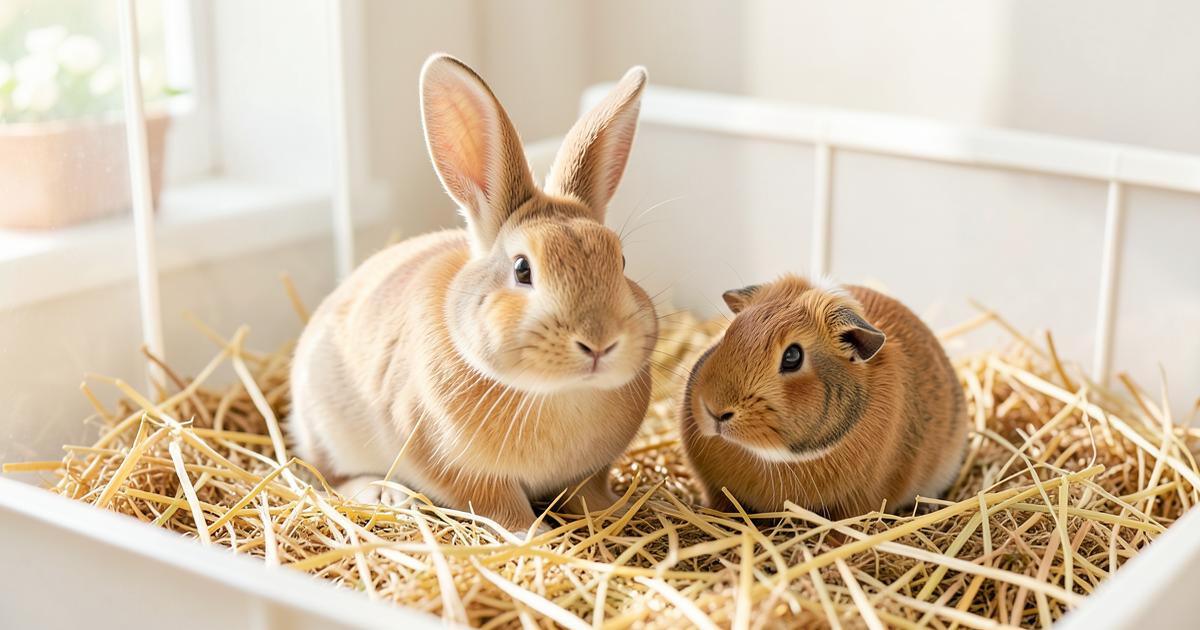
Guinea Pig Vitamin C Deficiency (Scurvy): Prevention & Treatment
Guinea pigs cannot produce their own vitamin C, making them susceptible to scurvy. Learn essential prevention strategies, how to recognize symptoms, and what treatments are available to keep your cavy healthy.
In this article
Guinea pigs, unlike many other mammals, are unable to produce their own vitamin C (L-ascorbic acid). This makes them entirely dependent on dietary sources for this essential nutrient. Without adequate vitamin C, guinea pigs can develop a serious condition known as hypovitaminosis C, or scurvy, which can severely impact their health and even be fatal if left untreated. Understanding how to prevent and recognize this deficiency is crucial for any guinea pig owner.
Why is Vitamin C So Important for Guinea Pigs?
Vitamin C plays a vital role in numerous bodily functions. It is essential for:
- Collagen Synthesis: Collagen is a primary structural protein found in connective tissues throughout the body, including skin, joints, blood vessels, and gums. Without sufficient vitamin C, collagen production is impaired, leading to weak tissues.
- Immune System Function: Vitamin C supports a healthy immune response, helping guinea pigs fight off infections and diseases.
- Antioxidant Properties: It acts as an antioxidant, protecting cells from damage caused by free radicals.
- Iron Absorption: Vitamin C aids in the absorption of non-heme iron from plant-based foods.
Symptoms of Vitamin C Deficiency (Scurvy)
Symptoms of scurvy can be subtle at first and progressively worsen. They can affect various body systems. If you notice any of these signs, it's crucial to seek veterinary attention promptly:
- Lethargy and Weakness: Reduced activity, reluctance to move, general lack of energy.
- Rough Coat and Poor Grooming: Hair may appear dull, dry, and unkempt.
- Loss of Appetite and Weight Loss: Refusal to eat, leading to a noticeable decrease in body weight.
- Swollen and Painful Joints: This is a common and often debilitating symptom, causing difficulty walking, a stiff gait, or even paralysis in severe cases. Guinea pigs may cry out when handled or when trying to move.
- Hemorrhage: Bleeding can occur in various places due to weakened blood vessel walls. This might manifest as:
- Bruising under the skin.
- Bleeding from the gums (gingivitis).
- Blood in the urine or feces (less common).
- Dental Problems: Loose teeth, overgrown teeth (due to weakened ligaments), and painful gums.
- Impaired Wound Healing: Cuts or sores may take a long time to heal.
- Diarrhea: In some cases, gastrointestinal upset can occur.
- Increased Susceptibility to Infections: A weakened immune system makes them more prone to secondary infections.
These symptoms can sometimes be mistaken for other health issues, which is why a veterinary diagnosis is essential.
Preventing Vitamin C Deficiency
The best approach to scurvy is prevention through a carefully managed diet. Adult guinea pigs typically require 10-30 mg of vitamin C per day, while pregnant, lactating, growing, or ill guinea pigs may need up to 30-50 mg daily.
Dietary Strategies
- High-Quality Guinea Pig Pellets: Choose a commercial guinea pig pellet specifically formulated for guinea pigs. Ensure it is fresh and specifically states it contains stabilized vitamin C. Vitamin C can degrade rapidly when exposed to light, heat, and air, so check the expiration date and buy in small quantities. Store pellets in an airtight, opaque container in a cool, dark place.
- Fresh Vegetables and Fruits: These are excellent sources of natural vitamin C. Offer a variety daily. Good options include:
- Bell Peppers (especially red, yellow, orange): An excellent source, high in vitamin C and generally well-liked.
- Parsley, Kale, Spinach, Cilantro: Offer in moderation due to calcium content.
- Broccoli (florets and stems): Small amounts.
- Tomato: Small amounts (avoid leaves and stems).
- Kiwi, Orange, Strawberry: Offer these fruits sparingly due to their sugar content.
- Hay: While not a significant source of vitamin C, fresh, unlimited timothy hay (or other grass hays) is crucial for digestive health and dental wear and should be the staple of their diet.
- Water: Always provide fresh, clean water.
Vitamin C Supplements
While a balanced diet is ideal, supplements can be considered, especially for guinea pigs with specific needs or if you are concerned about dietary intake.
Like this? Get a free pet-health digest weekly
One short email with the new articles, food picks, and breed-specific tips. Unsubscribe anytime.
One email a week. We never share your email.
- Tablet Supplements: These are often the most reliable method as you can ensure the guinea pig consumes the full dose. Crush and sprinkle over food or offer directly.
- Liquid Supplements for Water: Adding liquid vitamin C to water bottles is generally not recommended. Vitamin C degrades quickly in water, and it can alter the taste, leading to decreased water consumption. It's difficult to gauge how much vitamin C each guinea pig actually consumes this way.
Important Note: Always consult your veterinarian before adding any supplements to your guinea pig's diet to ensure appropriate dosing and avoid potential over-supplementation.
Diagnosing Vitamin C Deficiency
A veterinarian will diagnose scurvy based on a combination of factors:
- Clinical Signs: Observing the symptoms listed above.
- Dietary History: Reviewing the guinea pig's daily diet to assess vitamin C intake.
- Response to Treatment: A rapid improvement in symptoms after vitamin C supplementation often confirms the diagnosis.
- Imaging: X-rays may be used to examine bone and joint changes.
Treatment for Scurvy
If your guinea pig is diagnosed with scurvy, prompt and appropriate treatment is essential. Treatment typically involves administering vitamin C and supportive care.
Vitamin C Administration
- Oral Supplementation: The primary treatment is high doses of vitamin C, often administered orally as a liquid or tablet. Your vet will prescribe the appropriate dosage, which is usually higher than the daily preventive dose, and recommend a duration for the treatment.
- Injectable Vitamin C: In severe cases, especially if the guinea pig is not eating or is very weak, your veterinarian may administer vitamin C injections to ensure rapid absorption and response.
Supportive Care
- Pain Management: If the guinea pig is experiencing joint pain, your vet may prescribe pain medication to improve comfort and encourage movement and eating.
- Assisted Feeding: If the guinea pig is not eating due to pain or weakness, assisted feeding with critical care formula or pureed vegetables may be necessary to prevent further weight loss and support recovery.
- Warmth and Comfort: Provide a quiet, warm, and comfortable environment to aid recovery.
- Addressing Secondary Issues: Any secondary infections (e.g., skin, dental) will also need to be treated.
With timely and consistent treatment, most guinea pigs with scurvy can make a full recovery. However, untreated scurvy can lead to severe health complications and even death.
Remember, the information provided here is for general understanding and not a substitute for professional veterinary advice. Every guinea pig is an individual, and specific dietary and health needs can vary.
When to call your vet
Contact your veterinarian immediately if you observe any symptoms consistent with vitamin C deficiency, such as lethargy, lameness, difficulty walking, refusal to eat, swollen joints, or any signs of pain or discomfort. Prompt veterinary attention is crucial for an accurate diagnosis and effective treatment, as early intervention significantly improves the prognosis for guinea pigs suffering from scurvy.