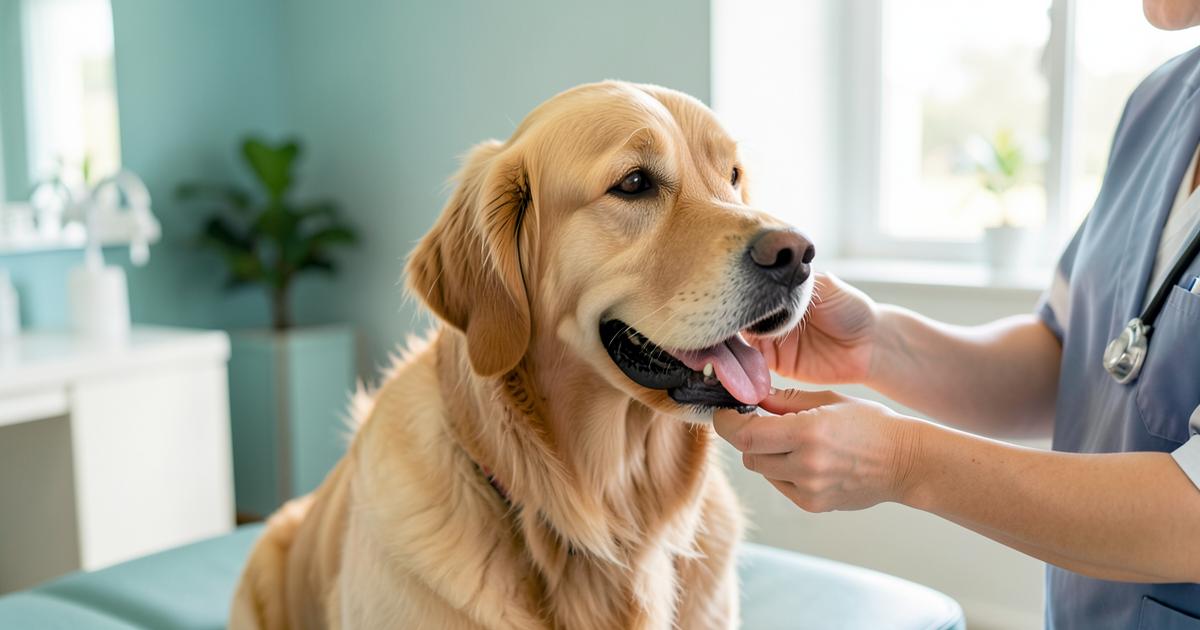
Dog Dental Care at Home: Preventing Periodontal Disease
Regular at-home dental care is crucial for your dog's oral health. Learn how brushing, dental chews, and diet can prevent periodontal disease and keep your dog smiling.
In this article
Periodontal disease is one of the most common health problems in adult dogs, affecting over 80% by age three. It's not just about bad breath; poor dental hygiene can lead to pain, tooth loss, and even systemic health issues. The good news is that with consistent at-home care, you can significantly reduce your dog's risk of developing this debilitating condition. This article will guide you through practical steps to maintain your dog's pearly whites and promote overall well-being.
Understanding Periodontal Disease
Periodontal disease begins when plaque, a sticky film of bacteria, food particles, and saliva, accumulates on your dog's teeth. If not removed, plaque hardens into tartar (calculus), which is much more difficult to remove and forms both above and below the gumline. This accumulation irritates the gums, leading to gingivitis (inflammation of the gums).
Left untreated, gingivitis progresses to periodontitis, where the inflammation spreads to the deeper supporting structures of the teeth. This can cause bone loss, loosening of teeth, and ultimately, tooth loss. Bacteria from severe periodontal disease can also enter the bloodstream and affect other organs like the heart, kidneys, and liver.
Signs of periodontal disease in dogs can include:
- Bad breath (halitosis)
- Red, swollen, or bleeding gums
- Yellow or brown tartar buildup on teeth
- Reluctance to eat, especially hard food
- Drooling, sometimes with blood
- Pawing at the mouth
- Loose or missing teeth
- Changes in behavior, such as irritability or withdrawal
The Gold Standard: Brushing Your Dog's Teeth
Brushing is the most effective way to remove plaque and prevent tartar buildup. Ideally, you should aim to brush your dog's teeth daily, or at least several times a week.
Getting Started with Brushing
- Choose the Right Tools: Use a soft-bristled toothbrush designed for dogs, or a finger brush. Never use human toothpaste, as it contains ingredients like fluoride and xylitol that are toxic to dogs. Always use a veterinary-approved enzymatic toothpaste specifically formulated for dogs.
- Introduce Gradually: Start slowly. Let your dog lick a small amount of toothpaste off your finger. Then, gently rub your finger or a finger brush along their gums and teeth for a few seconds.
- Positive Reinforcement: Keep sessions short and positive. Praise your dog lavishly and offer a treat after each successful attempt, even if it's just a few seconds of brushing. The goal is to make it a pleasant experience.
- Technique: Once your dog tolerates the toothbrush, gently lift their lip and brush the outer surfaces of the teeth, focusing on the gumline. Most periodontal disease occurs on the outside surfaces of the teeth, so don't worry too much about the inner surfaces if your dog resists. Angle the bristles at 45 degrees to the gumline.
Tips for Success
- Start Young: The younger you start, the easier it will be for your dog to accept brushing.
- Establish a Routine: Choose a consistent time and place to brush.
- Be Patient: Some dogs take longer to adjust than others. Don't force it; slow and steady wins the race.
- Consistency is Key: Even brushing a few times a week is better than not at all.
Beyond Brushing: Other Home Dental Care Options
While brushing is paramount, other products can complement your efforts and contribute to better oral hygiene.
Veterinary Dental Chews and Treats
Not all dental chews are created equal. Look for products that have been evaluated and approved by veterinary dental organizations (e.g., Veterinary Oral Health Council – VOHC seal). These products have been scientifically proven to reduce plaque and/or tartar.
- Mechanism: Dental chews work by their abrasive action, scraping plaque off the tooth surface as your dog chews. Some also contain enzymes or anti-plaque ingredients.
- Caution: Always supervise your dog when they are chewing to prevent choking hazards or excessive consumption. Choose appropriate sizes for your dog's breed and chewing style.
Like this? Get a free pet-health digest weekly
One short email with the new articles, food picks, and breed-specific tips. Unsubscribe anytime.
One email a week. We never share your email.
Dental Diets
Prescription dental diets are specially formulated kibble designed to reduce plaque and tartar. They often feature a unique kibble structure that scrubs the tooth surface more effectively and/or contain ingredients that help prevent mineralization of plaque into tartar.
- Mechanism: The larger, fibrous kibble encourages more chewing, allowing the tooth to sink into the kibble rather than shattering immediately, providing a scrubbing action.
- Consult Your Vet: Discuss with your veterinarian if a dental diet is appropriate for your dog's overall health needs.
Water Additives and Oral Rinses
Some veterinary-approved water additives contain ingredients that help reduce bacteria in the mouth or prevent plaque from adhering to tooth surfaces. Oral rinses can also help reduce bacteria.
- Usage: Follow product instructions carefully. They are generally easy to use, just add to your dog's drinking water or apply directly to the gums.
- Limitations: These products are typically less effective than brushing or dental diets but can provide an additional layer of protection, especially for dogs who won't tolerate brushing.
The Importance of Professional Veterinary Dental Cleanings
Despite your best at-home efforts, plaque and tartar will eventually accumulate, particularly below the gumline where you cannot reach. Regular professional dental cleanings under anesthesia, performed by your veterinarian, are essential for maintaining optimal oral health.
During a professional cleaning, your vet will:
- Perform a thorough oral examination, often with dental X-rays to assess the health of the tooth roots and jawbone.
- Scale the teeth to remove plaque and tartar above and below the gumline using specialized ultrasonic instruments.
- Polish the teeth to smooth the tooth surface, making it harder for plaque to adhere.
- Perform any necessary extractions of diseased or damaged teeth.
Your veterinarian will recommend a cleaning schedule based on your dog's age, breed, and the current state of their oral health.
General Information
This article provides general information about dog dental care and is not intended as a substitute for professional veterinary advice. Every dog is unique, and their dental health needs can vary. Always consult with your veterinarian for specific recommendations regarding your dog's oral hygiene routine, diet, and treatment plans for any existing dental conditions.
When to call your vet
Contact your veterinarian immediately if you notice any of the following signs in your dog:
- Persistent bad breath
- Visible tartar buildup or discolored teeth
- Red, swollen, or bleeding gums
- Loose or missing teeth
- Difficulty eating, chewing on one side, dropping food, or decreased appetite
- Pawing at the mouth, rubbing their face, or signs of oral pain
- Excessive drooling, especially if bloody
- Any lumps, bumps, or growths in the mouth
- Changes in behavior, such as lethargy or aggression, that could indicate pain.
Early detection and intervention are key to preventing serious dental issues and maintaining your dog's overall health and comfort.